

Do children's bed nets have a good mesh size?
As a supplier of children's bed nets, I've spent a significant amount of time researching and understanding the importance of mesh size in these essential products. Bed nets are a crucial tool in protecting children from mosquitoes and other insects, which can carry diseases such as malaria, dengue fever, and Zika virus. The mesh size of a bed net plays a vital role in its effectiveness, comfort, and durability.
The Importance of Mesh Size
The primary function of a children's bed net is to create a physical barrier between the child and mosquitoes. A well - designed mesh size ensures that mosquitoes cannot pass through while still allowing for adequate air circulation. If the mesh is too large, mosquitoes can easily enter the net, rendering it ineffective. On the other hand, if the mesh is too small, it can restrict air flow, making the child feel hot and uncomfortable during sleep.
A good mesh size also affects the durability of the bed net. A finer mesh is generally more resistant to tearing and wear, which is important considering that children may be more active during sleep and could potentially damage the net. Additionally, a proper mesh size can prevent other small insects and debris from entering the net, providing a cleaner and more hygienic sleeping environment for the child.
Ideal Mesh Sizes for Children's Bed Nets
The World Health Organization (WHO) recommends a mesh size of at least 156 holes per square inch (hpsi) for bed nets to be effective against mosquitoes. This standard ensures that even the smallest mosquitoes cannot pass through the net. However, in practice, many high - quality children's bed nets have a mesh size of around 200 hpsi or more.
For children, a slightly finer mesh can be beneficial. Younger children may be more vulnerable to mosquito bites, and a finer mesh provides an extra layer of protection. It also reduces the risk of small insects like gnats and flies from entering the net. At the same time, modern materials and manufacturing techniques allow for finer meshes without sacrificing too much air circulation.
Factors Affecting Mesh Size Selection
When choosing the mesh size for children's bed nets, several factors need to be considered.
Climate: In hot and humid climates, air circulation is crucial. A slightly larger mesh size may be more appropriate to ensure that the child stays cool. However, it should still meet the minimum requirements for mosquito protection. For example, in tropical regions, a mesh size of around 180 - 200 hpsi can provide a good balance between protection and ventilation.
Age of the Child: Newborns and infants may require a finer mesh as they are more delicate and less able to swat away mosquitoes. As children grow older and become more active, a slightly coarser mesh may be acceptable, as long as it still provides adequate protection.
Location: If the bed net is to be used in an area with a high density of mosquitoes or a high prevalence of mosquito - borne diseases, a finer mesh size is recommended. For instance, in areas where malaria is endemic, a mesh size of 200 hpsi or more can significantly reduce the risk of mosquito bites.
Our Product Range and Mesh Sizes
At our company, we offer a wide range of children's bed nets with different mesh sizes to meet the diverse needs of our customers. Our nets are made from high - quality materials that ensure durability and long - term use.
We have bed nets with a mesh size of 200 hpsi, which are ideal for most situations. These nets provide excellent mosquito protection while allowing for sufficient air circulation. For areas with particularly small mosquitoes or a high disease risk, we also offer nets with a mesh size of 250 hpsi. These nets are more expensive but provide an extra level of security.
In addition to mesh size, we also focus on other aspects of our bed nets, such as the type of material used, the design, and the ease of installation. Our nets are made from soft and comfortable materials that are gentle on the child's skin. They come in a variety of colors and designs to appeal to children and their parents.
Comparing Mesh Sizes with Other Products
It's interesting to note that the concept of mesh size is not unique to children's bed nets. Similar considerations are made in other products as well. For example, Capsule Mini Pocket Umbrella has a mesh - like structure in its canopy, where the size of the fabric weave affects its ability to keep out rain while allowing air to pass through. Similarly, Fishing Umbrella Parts need to have a proper mesh or fabric structure to provide shade and protection from the elements.
In the case of Greenhouse Support, the mesh size of the covering material is crucial for controlling the amount of sunlight, air, and moisture that enters the greenhouse. A finer mesh can prevent insects from entering, while a coarser mesh may be used for better ventilation in certain situations.
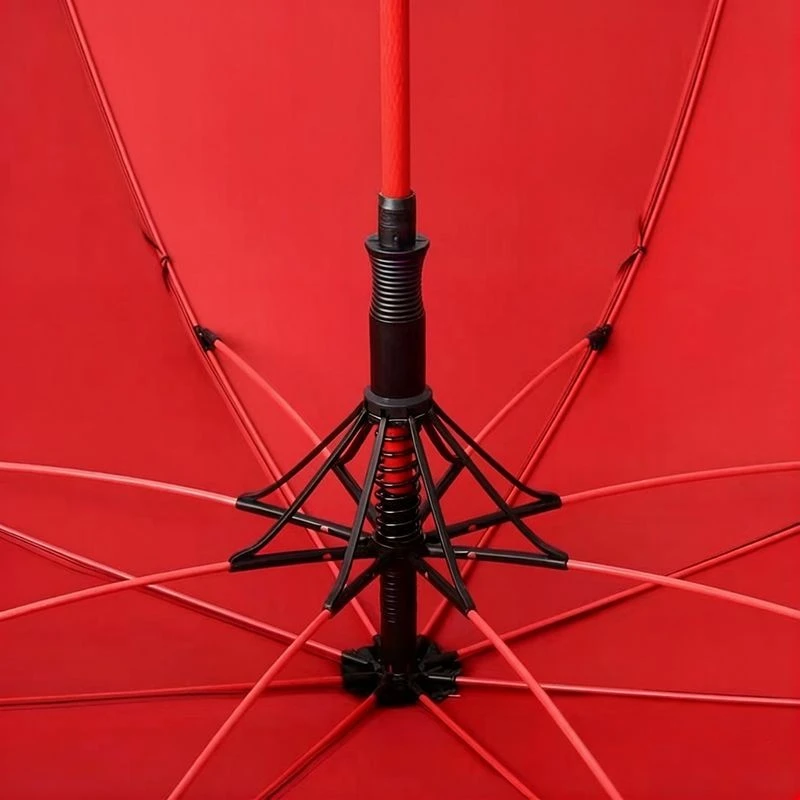
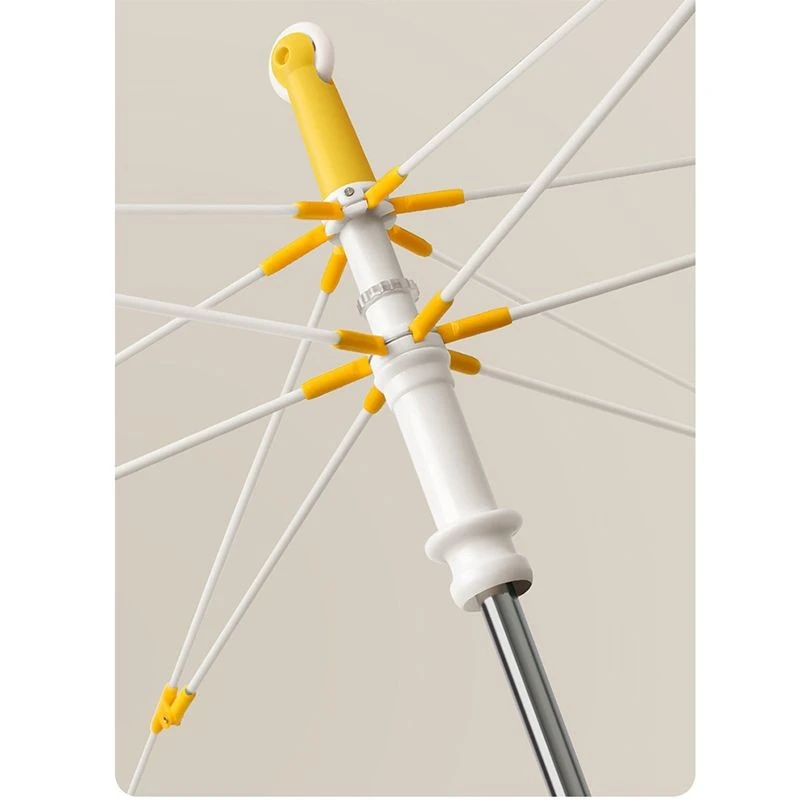
The Ribs Of An Umbrella and Children's Umbrella Ribs also have a relationship with mesh - like concepts. The structure and spacing of the ribs affect the overall shape and performance of the umbrella, similar to how the mesh size affects the performance of a bed net.
Conclusion
In conclusion, the mesh size of children's bed nets is a critical factor in their effectiveness, comfort, and durability. A good mesh size should provide adequate protection against mosquitoes while allowing for sufficient air circulation. When choosing a bed net, it's important to consider factors such as climate, the age of the child, and the location of use.
At our company, we are committed to providing high - quality children's bed nets with the right mesh size for every situation. If you are interested in purchasing our products or have any questions about mesh size or our bed nets in general, we encourage you to contact us for a procurement discussion. We look forward to helping you find the perfect bed net for your child.
References
- World Health Organization. (20XX). Guidelines for the use of insecticide - treated mosquito nets.
- Various research studies on mosquito - borne diseases and bed net effectiveness.