

Hey there! As a supplier of Ribs Of An Umbrella, I often get asked about the average thickness of umbrella ribs. It might seem like a simple question, but the answer is more complex than you'd think. So, let's dive in and explore this topic together.
First off, the thickness of umbrella ribs can vary widely depending on several factors. One of the main things that affect rib thickness is the type of umbrella. For example, a small, lightweight travel umbrella isn’t going to need the same beefy ribs as a large, heavy - duty golf umbrella.
Travel umbrellas are designed to be super portable. You want to be able to tuck them in your backpack or purse without adding too much weight or bulk. So, their ribs are usually thinner. On average, the ribs of a travel umbrella can range from about 1.5 mm to 2.5 mm thick. These thinner ribs are made from materials like fiberglass or lightweight aluminum, which are strong enough to withstand normal use but still keep the umbrella light.
On the other hand, golf umbrellas are built to be tough. They need to handle strong winds and protect you from heavy rain on the golf course. The ribs of a golf umbrella are much thicker, typically ranging from 3 mm to 6 mm. The extra thickness provides the necessary strength and stability to keep the umbrella from flipping inside out in gusty conditions. The materials used for golf umbrella ribs are often stronger alloys of aluminum or high - quality fiberglass.
Another type of umbrella is the patio umbrella. These are the big ones you see at outdoor restaurants or in your backyard. Patio umbrellas need to be sturdy because they're exposed to the elements for long periods. Their ribs usually fall in the 3 mm to 5 mm range. They're often made of materials that can resist rust and corrosion, like powder - coated aluminum or treated fiberglass.
Now, if you're thinking about fishing umbrellas, they have their own unique requirements. Fishing takes place in all kinds of weather conditions, and the umbrella needs to be durable. Fishing Umbrella Parts often have ribs with an average thickness between 2.5 mm and 4 mm. This thickness gives them the flexibility to withstand the wind near water bodies while still being strong enough to support the canopy.
The material of the ribs also plays a huge role in determining the appropriate thickness. Fiberglass is a popular choice for umbrella ribs because it's lightweight, strong, and resistant to corrosion. Fiberglass ribs can be made thinner compared to other materials while still maintaining their strength. Aluminum is another common material. It's strong and relatively inexpensive. Steel ribs are also used, especially in heavy - duty umbrellas. Steel is the strongest of the common rib materials, but it's also the heaviest, so the ribs don't need to be as thick as they would be if made from a weaker material.

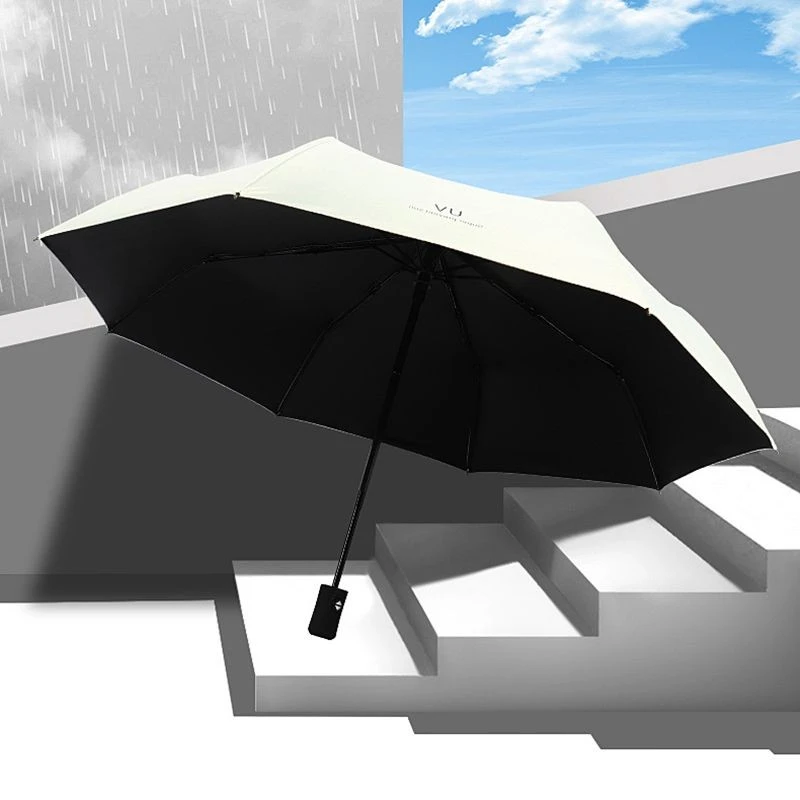
Let's talk a bit about the manufacturing process. When making umbrella ribs, the thickness is carefully controlled to ensure consistent quality. Manufacturers use advanced machinery to shape and size the ribs. They test the ribs for strength and flexibility to make sure they meet industry standards. For example, a rib might be bent a certain number of times to simulate real - world use. If it breaks or deforms too easily, it doesn't pass the quality check.
In addition to the type of umbrella and the material, the number of ribs on an umbrella can also affect how thick they need to be. An umbrella with fewer ribs needs each rib to be stronger and thicker to support the canopy. For instance, a 6 - rib umbrella might have thicker ribs than a 12 - rib umbrella because each rib has to bear more weight.
Now, I'd like to mention some other products we offer that are related to umbrella ribs. We also supply Box Kite Frame made with similar fiberglass materials. These frames have specific thickness requirements based on the size and design of the kite. Just like umbrella ribs, kite frames need to be strong enough to withstand wind forces while remaining lightweight enough to fly.
Our Greenhouse Support products are another example. They use fiberglass rods with different thicknesses depending on the size and structure of the greenhouse. Thicker rods provide more support for larger greenhouses, while thinner ones can be used for smaller, more lightweight structures.
And for those looking for a stylish and functional umbrella option, we have the Wpc Uv Protection Parasol for Sun & Rain. Its ribs are designed to be both strong and aesthetically pleasing, with a thickness that balances durability and style.
If you're in the market for umbrella ribs or any of our related products, I encourage you to reach out to us for more information. Whether you're a retailer looking to stock a wide range of umbrellas, a manufacturer in need of high - quality ribs for your products, or an individual looking for replacement parts, we've got you covered. We can provide detailed product specifications, pricing information, and samples so you can make an informed decision. Don't hesitate to get in touch and start a conversation about your procurement needs.
References
- "The Science of Umbrella Design" - Journal of Outdoor Equipment Technology
- "Materials and Structures in Umbrella Manufacturing" - Textile and Hardware Industry Review
- "Fiberglass Applications in Lightweight Structures" - Composite Materials Magazine