

Can a floor ring light be used for portrait photography?
In the multifaceted world of portrait photography, lighting stands as a cornerstone, capable of transforming an ordinary shot into a masterpiece. Among the diverse lighting tools available, the floor ring light has emerged as a versatile and popular option. As a supplier of Floor Ring Light, I am often asked whether this type of light is suitable for portrait photography. In this blog post, I will delve into the characteristics, advantages, and limitations of floor ring lights in portrait photography, providing you with a comprehensive understanding to make informed decisions.
Understanding the Floor Ring Light
A floor ring light is a circular lighting device that typically sits on the floor. It consists of a series of LED bulbs arranged in a circular shape, which can emit soft, even light. The size of floor ring lights can vary, ranging from small, portable models to large, professional-grade ones. They often come with adjustable brightness settings, color temperature options, and sometimes even remote control features, allowing photographers to customize the lighting according to their specific needs.
Advantages of Using a Floor Ring Light for Portrait Photography
Soft and Even Lighting
One of the most significant advantages of a floor ring light is its ability to produce soft and even lighting. The circular shape of the light source ensures that the light is distributed evenly around the subject, minimizing harsh shadows and creating a flattering, smooth complexion. This is particularly beneficial for portrait photography, as it helps to enhance the natural features of the subject and gives the image a professional, polished look. For example, when photographing a person's face, the soft light from a floor ring light can reduce the appearance of wrinkles and blemishes, while highlighting the eyes and other key facial features.
Catchlights in the Eyes
Another distinctive feature of using a floor ring light in portrait photography is the creation of catchlights in the subject's eyes. Catchlights are the small, bright reflections of the light source that appear in the eyes, adding a sparkle and a sense of life to the portrait. The circular shape of the floor ring light creates a unique, circular catchlight that is often associated with professional portrait photography. This can make the subject's eyes look more engaging and expressive, drawing the viewer's attention to the most important part of the portrait.
Versatility
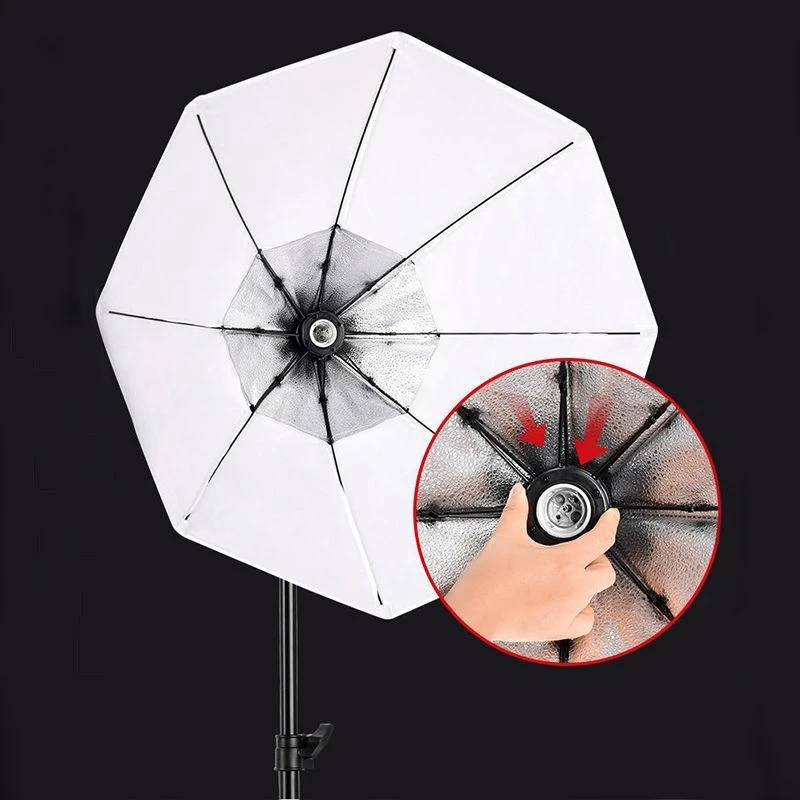
Floor ring lights are highly versatile and can be used in a variety of portrait photography settings. They can be used in a studio environment, where the photographer has full control over the lighting conditions. In this case, the floor ring light can be used as the main light source, or it can be combined with other lighting tools, such as Softbox Diffuser Rods, Photo Umbrella Stand, or Octagonal Live Streaming Fill Light Stand, to create more complex lighting setups. Additionally, floor ring lights are also suitable for on-location portrait photography, as they are often portable and easy to set up. They can be used outdoors or in small indoor spaces, providing a convenient lighting solution for photographers who need to work in different environments.
Adjustable Settings
Most floor ring lights come with adjustable brightness and color temperature settings, which allow photographers to fine-tune the lighting to suit the specific requirements of each portrait. For example, if the portrait is being taken in a warm, indoor environment, the photographer can adjust the color temperature of the floor ring light to a warmer setting to match the ambient light. Similarly, if the subject is in a well-lit area, the photographer can reduce the brightness of the floor ring light to avoid overexposure. This level of control gives photographers greater creative freedom and enables them to achieve the desired mood and effect in their portrait photography.
Limitations of Using a Floor Ring Light for Portrait Photography
Limited Light Directionality
While the soft and even lighting of a floor ring light is generally flattering for portrait photography, it can also limit the ability to create directional lighting effects. Directional lighting is often used in portrait photography to add depth, dimension, and drama to the image. With a floor ring light, the light is emitted evenly from all directions, which can make the portrait look flat and lacking in contrast. To overcome this limitation, photographers may need to use additional lighting tools, such as reflectors or spotlights, to create more directional light.
Size and Portability Constraints
Although some floor ring lights are designed to be portable, larger models can be bulky and heavy, making them difficult to transport and set up. This can be a challenge for photographers who need to work on-location or in different studios. Additionally, the size of the floor ring light can also affect the composition of the portrait. A large floor ring light may take up a significant amount of space in the frame, which can be distracting or limit the photographer's creative options.
Cost
High-quality floor ring lights can be relatively expensive, especially those with advanced features, such as adjustable color temperature and remote control. This can be a barrier for some photographers, particularly those who are just starting out or working on a tight budget. However, it's important to note that investing in a good-quality floor ring light can significantly improve the quality of your portrait photography and may be a worthwhile investment in the long run.
Tips for Using a Floor Ring Light in Portrait Photography
Positioning
The position of the floor ring light is crucial for achieving the desired lighting effect in portrait photography. Generally, the floor ring light should be placed at a height that is slightly above the subject's head and tilted downwards at a slight angle. This will ensure that the light falls evenly on the subject's face and creates a flattering, soft glow. Additionally, the distance between the floor ring light and the subject can also affect the lighting intensity and the size of the catchlights in the eyes. Experiment with different positions and distances to find the best setup for your specific portrait.
Combining with Other Lighting Tools
As mentioned earlier, a floor ring light can be combined with other lighting tools to create more complex and dynamic lighting setups. For example, you can use a reflector to bounce some of the light back onto the subject's face, adding more depth and dimension to the portrait. Alternatively, you can use a spotlight to create a rim light around the subject's body, separating them from the background and adding a sense of drama to the image.
Pay Attention to the Background
The background can have a significant impact on the overall look of a portrait. When using a floor ring light, it's important to pay attention to the background and ensure that it is well-lit and complements the subject. A dark or cluttered background can distract from the subject and make the portrait look unprofessional. You can use additional lighting tools, such as background lights or hair lights, to enhance the background and create a more cohesive and visually appealing portrait.

Conclusion
In conclusion, a floor ring light can be an excellent tool for portrait photography, offering soft and even lighting, creating beautiful catchlights in the eyes, and providing versatility and adjustable settings. However, it also has some limitations, such as limited light directionality, size and portability constraints, and cost. By understanding the characteristics, advantages, and limitations of floor ring lights, and by following the tips provided in this blog post, photographers can effectively use floor ring lights to create stunning portrait photographs.
If you are interested in exploring the possibilities of using a floor ring light for your portrait photography, I invite you to get in touch with us for further discussions and procurement. We are committed to providing high-quality Floor Ring Light products and professional advice to meet your specific needs.
References
- Peterson, J. (2020). The Art of Portrait Photography Lighting. New York: Photography Press.
- Smith, A. (2019). Lighting Techniques for Portrait Photographers. London: Lighting Arts Publishing.