

Handling fiberglass ribs, as I'm well aware as a fiberglass ribs supplier, can sometimes pose risks of skin irritation. Fiberglass is a popular material due to its strength, flexibility, and cost - effectiveness. It's widely used in various products, such as All - weather Umbrella, Fishing Umbrella Parts, Bed Rods for Mosquito Net, Two Fold Big Umbrella, and Bed Frame for Curtains. However, the fine glass fibers can break off and embed in the skin, leading to itching, redness, and in severe cases, more serious skin reactions. In this blog, I'll share some effective ways to prevent skin irritation when handling fiberglass ribs.
Understanding the Risks
Before we delve into prevention methods, it's important to understand why fiberglass can cause skin irritation. Fiberglass is made up of tiny glass fibers. When you cut, sand, or handle fiberglass ribs, these fine fibers can become airborne or stick to your skin. The sharp edges of the fibers can penetrate the outer layer of the skin, triggering an immune response. This response can manifest as itching, rashes, and in some cases, blisters. People with sensitive skin are particularly vulnerable to these reactions.
Personal Protective Equipment (PPE)
One of the most effective ways to prevent skin irritation from fiberglass is by using appropriate personal protective equipment.
Gloves
Wearing gloves is a must when handling fiberglass ribs. Choose gloves made of materials that are resistant to fiberglass penetration. Nitrile gloves are a good option as they are thick and provide a barrier between your skin and the fiberglass. Latex gloves can also work, but some people may be allergic to latex. Make sure the gloves fit well and cover your hands up to the wrists. Before removing the gloves, tap them gently to remove any loose fiberglass fibers.
Long - Sleeved Clothing
Wear long - sleeved shirts and long pants made of tightly woven fabric. This helps to prevent the fiberglass fibers from coming into direct contact with your skin. Avoid wearing loose - fitting clothing as the fibers can easily get trapped inside. Cotton or polyester blends are good choices as they are comfortable and can provide a reasonable level of protection.
Eye Protection
Although not directly related to skin irritation, eye protection is also crucial. Fiberglass fibers can become airborne and get into your eyes, causing irritation and potential damage. Wear safety goggles or a face shield to protect your eyes.
Respirator
A respirator is essential if you are working in an environment where fiberglass dust may be present. Fiberglass dust can be inhaled, which is not only harmful to your lungs but can also settle on your skin over time. Choose a respirator that is rated for fiberglass dust.
Workspace Setup
Proper workspace setup can significantly reduce the risk of skin irritation.
Ventilation
Ensure that your workspace is well - ventilated. Open windows and doors to allow fresh air to circulate. If possible, use a ventilation fan or an exhaust system. Good ventilation helps to remove the airborne fiberglass fibers from the workspace, reducing the chances of them settling on your skin.
Clean Work Surface
Keep your work surface clean. Use a damp cloth to wipe the surface before and after handling fiberglass ribs. This helps to prevent the accumulation of fiberglass fibers on the surface, which can then transfer to your skin. Avoid using dry brushes or compressed air to clean the surface as these methods can disperse the fibers into the air.
Handling Techniques
The way you handle fiberglass ribs can also affect the risk of skin irritation.
Minimize Cutting and Sanding
Cutting and sanding fiberglass ribs generate the most fiberglass dust and loose fibers. Try to minimize these operations as much as possible. If you need to cut or sand, use sharp tools to ensure a clean cut. Dull tools can cause more fibers to break off.
Avoid Direct Contact
When handling fiberglass ribs, try to use tools instead of your bare hands as much as possible. For example, use pliers to hold the ribs instead of gripping them with your fingers. If you do need to touch the ribs, try to do it as quickly as possible and avoid rubbing or pressing the ribs against your skin.
Post - Handling Care
Even with all the preventive measures in place, there is still a chance that some fiberglass fibers may come into contact with your skin. Therefore, post - handling care is important.
Wash Your Skin
After handling fiberglass ribs, wash your hands and any exposed skin thoroughly with mild soap and warm water. Avoid using hot water as it can open up your pores and allow the fibers to penetrate deeper into your skin. Use a soft washcloth to gently scrub your skin to remove any embedded fibers.
Do Not Scratch
If you feel itching or irritation on your skin, do not scratch it. Scratching can cause the fibers to penetrate deeper into the skin and may also lead to infection. Instead, apply a soothing cream or lotion to relieve the itching.
Storage of Fiberglass Ribs
Proper storage of fiberglass ribs can also play a role in preventing skin irritation. Store the ribs in a sealed container or a plastic bag to prevent the fibers from spreading. Keep the storage area clean and dry. If the ribs are stored in a dusty environment, the dust can mix with the fiberglass fibers and increase the risk of skin irritation when handling.
Training and Education
If you have employees or colleagues who handle fiberglass ribs, provide them with proper training and education. Teach them about the risks of skin irritation from fiberglass, the importance of using PPE, and the correct handling techniques. Regularly remind them to follow the safety procedures to minimize the risk of skin irritation.
In conclusion, preventing skin irritation when handling fiberglass ribs requires a combination of using personal protective equipment, setting up a proper workspace, adopting correct handling techniques, and performing post - handling care. By following these guidelines, you can safely handle fiberglass ribs without worrying about skin irritation.
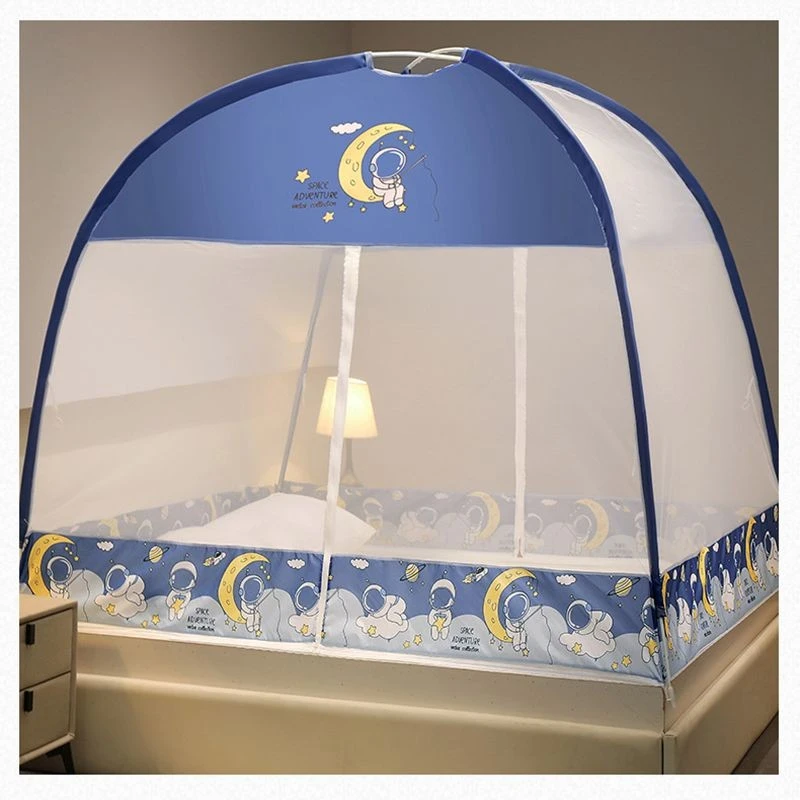

If you are interested in purchasing high - quality fiberglass ribs for your products, such as all - weather umbrellas, fishing umbrella parts, bed rods for mosquito nets, two - fold big umbrellas, or bed frames for curtains, feel free to contact us for procurement and negotiation. We are committed to providing you with the best products and services.
References
- Occupational Safety and Health Administration (OSHA). (Year). Fiberglass safety guidelines.
- Journal of Dermatology. (Year). Skin reactions to fiberglass exposure.
- National Institute for Occupational Safety and Health (NIOSH). (Year). Preventing fiberglass - related health hazards.