

Yo, fellow photography enthusiasts! I'm stoked to share some tips on using a Floor Ring Light for long-exposure photography. As a supplier of these awesome lights, I've seen firsthand how they can take your long-exposure shots to the next level.
What is Long-Exposure Photography?
Before we dive into using the floor ring light, let's quickly go over what long-exposure photography is. Long exposure means keeping the camera's shutter open for an extended period, usually several seconds, minutes, or even hours. This technique allows you to capture the movement of objects in a scene, creating cool effects like light trails from cars, smooth waterfalls, or star trails in the night sky.
Why Use a Floor Ring Light for Long-Exposure?
A floor ring light is a game-changer for long-exposure photography. It provides even, soft lighting that can help you illuminate your subject in low-light conditions. Unlike traditional lights, a ring light creates a unique catchlight in the subject's eyes, giving the photo a professional and flattering look. And because it's placed on the floor, it can add a different angle of light, which is super useful for creative shots.
Setting Up Your Floor Ring Light
First things first, you need to set up your floor ring light properly. Start by finding a stable surface to place the light on. Make sure it's level and won't tip over during the long exposure. Next, connect the light to a power source. Most floor ring lights come with a power adapter, so just plug it in and turn on the light.
Adjust the brightness of the light according to your needs. You might want to start with a lower setting and gradually increase it until you get the right amount of light for your subject. Some floor ring lights also allow you to adjust the color temperature, which can be handy for creating different moods in your photos.
Camera Settings for Long-Exposure
Now that your floor ring light is set up, it's time to adjust your camera settings. Here's a quick rundown of the key settings:
- Shutter Speed: This is the most important setting for long-exposure photography. You'll want to set your shutter speed to a long duration, like 10 seconds, 30 seconds, or even longer. Experiment with different shutter speeds to see what works best for your shot.
- Aperture: The aperture controls the amount of light that enters the camera. For long-exposure photography, you'll usually want to use a small aperture (a high f-number) to increase the depth of field and keep your subject in focus.
- ISO: Keep your ISO as low as possible to reduce noise in your photos. A low ISO setting (e.g., 100 or 200) will give you cleaner and sharper images.
- Focus: Use manual focus to ensure that your subject is sharp. Autofocus might not work well in low-light conditions, so take the time to focus your camera manually.
Using the Floor Ring Light for Different Types of Long-Exposure Shots
Portrait Shots
For portrait long-exposure shots, place the floor ring light in front of your subject at a slight angle. This will create a beautiful catchlight in the subject's eyes and add a soft, flattering glow to their face. You can also use a reflector to bounce some of the light back onto the subject's face, filling in any shadows.
Experiment with different shutter speeds to create different effects. A longer shutter speed will allow more light to enter the camera, making the subject brighter and the background more blurred. A shorter shutter speed will give you a sharper image of the subject and a more detailed background.
Landscape Shots
When shooting landscapes with long exposure, the floor ring light can be used to illuminate a particular element in the scene, like a tree, a building, or a statue. Place the light near the element you want to highlight and adjust the angle and brightness to get the right effect.
You can also use the floor ring light to add some color to your landscape photos. Some ring lights come with colored gels that you can attach to the light to create different color effects. For example, you can use a red gel to create a warm, fiery glow or a blue gel to create a cool, moody atmosphere.
Light Painting
Light painting is a fun and creative way to use long exposure. With a floor ring light, you can create all sorts of cool light patterns and shapes. To do light painting, set your camera to a long shutter speed and turn off the lights in the room. Then, hold the floor ring light and move it around in front of the camera to create the light pattern you want.
You can use different techniques to create different effects. For example, you can move the light in a straight line to create a light trail, or you can move it in a circular motion to create a spiral pattern. Experiment with different movements and speeds to see what works best for you.
Accessories to Enhance Your Long-Exposure Photography
To get the most out of your floor ring light for long-exposure photography, you might want to consider using some accessories. Here are a few options:
- Octagonal Live Streaming Fill Light Stand: This stand is designed to hold the floor ring light at a stable height and angle. It's easy to set up and adjust, and it can help you get the perfect lighting for your photos.
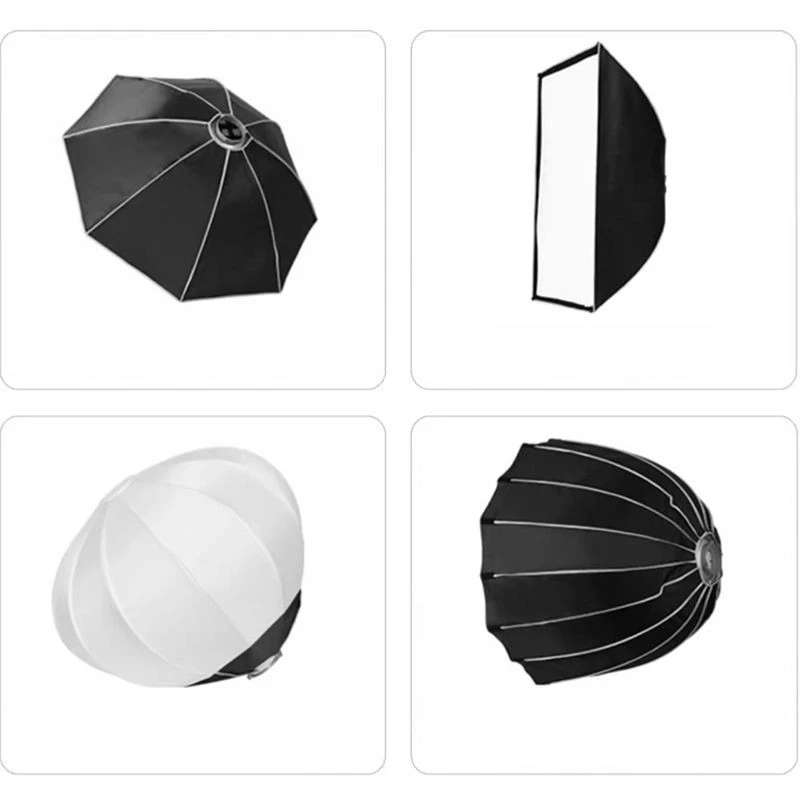
- Photo Umbrella Stand: An umbrella stand can be used to diffuse the light from the floor ring light, creating a softer and more even lighting effect. It's a great option for portrait and still-life photography.
- Softbox Diffuser Rods: These rods can be used to attach a softbox to the floor ring light, further diffusing the light and reducing harsh shadows. They're perfect for creating a professional-looking lighting setup.
Troubleshooting
Sometimes, things don't go as planned when you're doing long-exposure photography. Here are some common problems and how to fix them:
- Blurry Photos: If your photos are blurry, it could be because of camera shake. Use a tripod to keep your camera steady, and consider using a remote shutter release to avoid touching the camera during the exposure.
- Overexposed Photos: If your photos are too bright, it could be because you're using a too long shutter speed or a too high ISO setting. Try reducing the shutter speed or the ISO to get a properly exposed photo.
- Underexposed Photos: If your photos are too dark, it could be because you're using a too short shutter speed or a too small aperture. Try increasing the shutter speed or the aperture to let more light into the camera.
Conclusion
Using a floor ring light for long-exposure photography is a great way to add some creativity and professionalism to your photos. With the right setup and camera settings, you can create amazing long-exposure shots that will impress your friends and clients.
If you're interested in purchasing a floor ring light or any of the accessories mentioned in this blog, feel free to reach out to us for a procurement discussion. We're here to help you find the perfect lighting solution for your photography needs.

References
- Photography books on long-exposure techniques
- Online photography forums and communities