

Fiberglass ribs have become a popular choice in various industries, from umbrellas to bed frames, due to their lightweight, strong, and flexible properties. As a leading fiberglass ribs supplier, one of the most frequently asked questions we encounter is whether fiberglass ribs are resistant to UV rays. In this blog post, we will explore the science behind fiberglass and its interaction with ultraviolet (UV) light, and provide insights into how our products can withstand the harsh effects of the sun.
Understanding Fiberglass
Fiberglass is a composite material made of fine glass fibers embedded in a polymer matrix. The glass fibers provide strength and stiffness, while the polymer matrix binds the fibers together and protects them from environmental factors. This combination results in a material that is lightweight, corrosion-resistant, and has excellent mechanical properties.

The Impact of UV Rays on Materials
UV rays are a form of electromagnetic radiation with a shorter wavelength than visible light. They are classified into three types: UVA, UVB, and UVC. UVC rays are absorbed by the Earth's atmosphere and do not reach the surface. UVA and UVB rays, however, can penetrate the atmosphere and cause damage to materials and living organisms.
When materials are exposed to UV rays, they can undergo a process called photodegradation. This involves the breaking of chemical bonds in the material, which can lead to changes in its physical and chemical properties. Common signs of photodegradation include discoloration, loss of strength, and embrittlement.
Fiberglass Ribs and UV Resistance
The UV resistance of fiberglass ribs depends on several factors, including the type of glass fibers used, the polymer matrix, and any additives or coatings applied to the surface.
-
Glass Fibers: Most fiberglass products use E-glass fibers, which are known for their good electrical insulation properties and mechanical strength. However, E-glass fibers are not inherently UV-resistant. When exposed to UV rays, they can experience surface erosion and loss of strength over time.
-
Polymer Matrix: The polymer matrix plays a crucial role in protecting the glass fibers from UV damage. Some polymers, such as polyester and vinyl ester, are more susceptible to photodegradation than others. To improve UV resistance, manufacturers often use epoxy resins, which have better UV stability.
-
Additives and Coatings: To enhance the UV resistance of fiberglass ribs, we add UV stabilizers and antioxidants to the polymer matrix. These additives absorb or block UV rays, preventing them from reaching the glass fibers and causing damage. Additionally, we can apply a protective coating to the surface of the ribs, such as a gel coat or a paint that contains UV-blocking agents.
Our UV-Resistant Fiberglass Ribs
At our company, we understand the importance of UV resistance, especially for products that are exposed to sunlight for extended periods. That's why we have developed a range of fiberglass ribs that are specifically designed to withstand the effects of UV rays.
Our UV-resistant fiberglass ribs are made using high-quality E-glass fibers and a specially formulated epoxy resin matrix. We add a combination of UV stabilizers and antioxidants to the resin, which helps to protect the glass fibers from UV damage and maintain the structural integrity of the ribs over time.
In addition to the internal additives, we offer a variety of protective coatings for our fiberglass ribs. These coatings not only provide an extra layer of UV protection but also enhance the appearance and durability of the ribs.
Applications of Our Fiberglass Ribs
Our UV-resistant fiberglass ribs are suitable for a wide range of applications, including:
- Childrens Bed Net: Bed nets are often used outdoors or in areas with high sunlight exposure. Our fiberglass ribs provide a lightweight and durable frame for children's bed nets, while the UV resistance ensures that the frame maintains its strength and appearance over time.
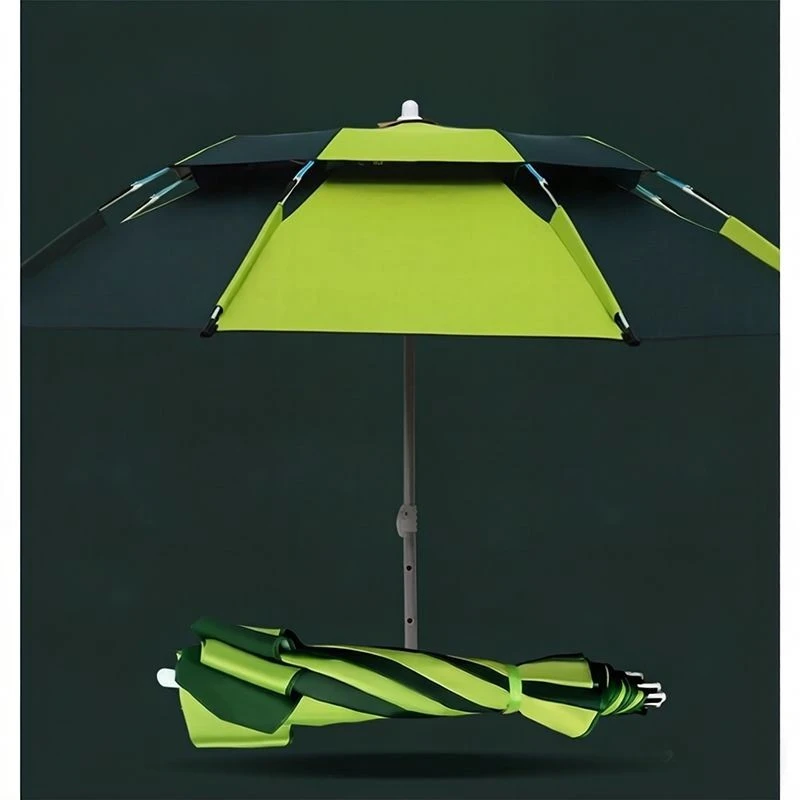
- All-weather Umbrella: Umbrellas are exposed to sunlight, rain, and wind on a daily basis. Our fiberglass ribs are strong, flexible, and resistant to UV rays, making them an ideal choice for all-weather umbrellas.
- Windproof Umbrella Ribs: Wind can put a lot of stress on umbrella ribs. Our UV-resistant fiberglass ribs are designed to be windproof, providing reliable support and protection even in strong winds.
- Two Fold Big Umbrella: Big umbrellas require strong and durable ribs. Our fiberglass ribs offer the strength and flexibility needed for two-fold big umbrellas, while the UV resistance ensures that the ribs do not degrade in sunlight.
- Bed Frame for Curtains: Bed frames for curtains are often placed near windows or in outdoor areas. Our UV-resistant fiberglass ribs provide a lightweight and stylish frame that can withstand the effects of sunlight and maintain its appearance for years to come.
Testing and Quality Assurance
We take the quality of our products very seriously. All of our fiberglass ribs are tested for UV resistance using industry-standard methods. We expose the ribs to simulated sunlight in a laboratory setting and monitor their performance over time. This allows us to ensure that our products meet or exceed the highest standards of UV resistance.
In addition to UV testing, we also conduct a variety of other tests on our fiberglass ribs, including strength testing, flexibility testing, and corrosion resistance testing. These tests help us to ensure that our products are of the highest quality and meet the needs of our customers.
Conclusion
In conclusion, fiberglass ribs can be made resistant to UV rays through the use of high-quality materials, UV stabilizers, antioxidants, and protective coatings. At our company, we are committed to providing our customers with the highest quality UV-resistant fiberglass ribs for a wide range of applications.
If you are interested in learning more about our fiberglass ribs or would like to discuss your specific requirements, we encourage you to contact us for a procurement consultation. Our team of experts is ready to assist you in finding the perfect solution for your needs.
References
- "Fiberglass Reinforced Plastics: Properties and Applications" by James F. Kardos and Louis E. Nielsen.
- "UV Radiation and Its Effects on Materials" by Robert M. Dillman.
- "Composite Materials: Science and Engineering" by Donald R. Askeland and Pradeep P. Phule.